Career advice

Practical guides for a Hong Kong career

Curated writing from operators, recruiters, and HR leaders — written for people building real careers in HK.

← Career advice

Search result for "trend"

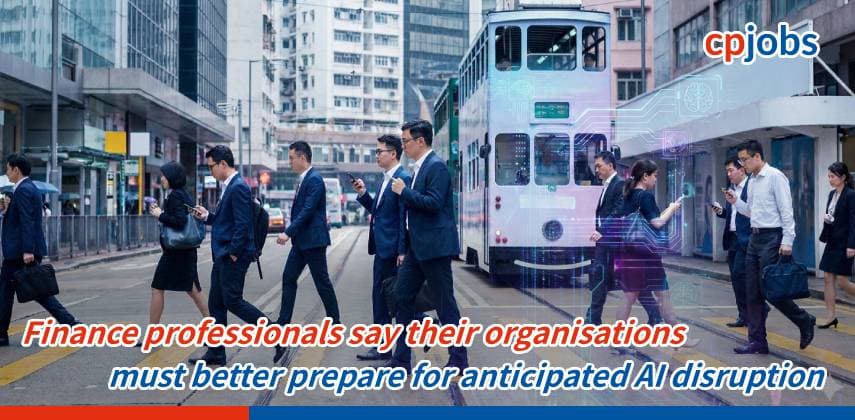
Finance professionals say their organisations must better prepare for anticipated AI disruption
Industry Stories

Finance professionals say their organisations must better prepare for anticipated AI disruption

The Chartered Institute of Management Accountants (CIMA) today unveiled findings from its Future-Ready Finance: Technology, Productivity, and Skills Survey, revealing a significant gap between finance professionals’ expectations of AI’s impact and their organisations’ readiness to adopt it. The survey of 1,446 senior finance and accounting leaders and managers paints a stark picture of organisational preparedness for […]
Can I make a Switch to Tech at a Later Stage in My Career?
Advice Columnist

Can I make a Switch to Tech at a Later Stage in My Career?

The tech industry is growing at unprecedented rates, and more people, young and old, are setting foot into this fast-paced and exciting world. So, if you are one of the many people who want to get into the tech industry and you think it might be too late for you to get started, then this […]

Data Science vs Data Engineering: What’s The Difference?
Advice Columnist

Data Science vs Data Engineering: What’s The Difference?

Data Science and Data Engineering are two key roles in the world of data-driven decision-making, each with its own unique functions. While they are often confused, understanding the differences between them is essential for fully leveraging the power of data.

How Does Machine Learning Work? Basics to Know
Advice Columnist

How Does Machine Learning Work? Basics to Know

In today’s digital age, machine learning drives many technological advancements, from personalized recommendations on streaming services to predictive analytics in finance and healthcare. But what exactly is machine learning, and how does machine learning work?

AI: A Strategic Imperative and Competitive Differentiator for C-Level Leaders
Advice Columnist

AI: A Strategic Imperative and Competitive Differentiator for C-Level Leaders

In today’s dynamic business landscape, Artificial Intelligence (AI) has transcended its role as a mere technological advancement; it has become a fundamental strategic imperative and a potent tool for competitive differentiation. For C-level executives, understanding and leveraging AI is no longer optional but essential for long-term survival and growth. This article explores why AI is critical for shaping unique market positions, future-proofing organizations, and unlocking unprecedented opportunities for innovation and revenue generation.

Why AI Matters to the C-Suite
Advice Columnist

Why AI Matters to the C-Suite

Artificial Intelligence (AI) has moved beyond being a technical tool; it has become a strategic imperative for C-suite executives. Its impact spans every facet of an organization, from operational efficiency to long-term strategic direction.

Artificial Intelligence, Robotics, and the Interaction and Future Development of Data Models
Advice Columnist

Artificial Intelligence, Robotics, and the Interaction and Future Development of Data Models

In today’s world, the rapid development of technology is reshaping our way of life. The combination of artificial intelligence, robotics, and data model interaction has not only brought about significant changes in the scientific community but is also gradually demonstrating its influence in everyday life. From groundbreaking advancements in healthcare to the convenience of smart homes, the integration of these technologies heralds a new future. Entering a more intelligent and automated era which offers unprecedented convenience and even presenting unprecedented challenges. This article will explore the current status, potential, and the challenges we must face regarding this trend.

Is IT still the ideal career for the future?
Industry Stories

Is IT still the ideal career for the future?

Bill Gates once predicted that automation and artificial intelligence would change the nature of work, but he also pointed out that this would spark a demand for more valuable, creative, and human-centric jobs. IT is closely related to our daily lives, and as technologies such as artificial intelligence, the Internet of Things, and 5G networks rapidly advance, our perception of IT has also undergone drastic changes.

Is cyber insurance a must-have?
HR Career Success

Is cyber insurance a must-have?

The frequency and severity of cyberattacks have dramatically increased in recent years, leaving businesses and individuals vulnerable to financial loss and reputational damage. As technology continues to advance and with the ever-present threat of cyberattacks, this has led to a growing need for cybersecurity insurance.

2022 Predictions: What’s Next for Data Protection?
Advice Columnist

2022 Predictions: What’s Next for Data Protection?

During 2020 and 2021, there was a shift in focus to improving remote working capabilities, access to cloud infrastructure and securing data. Over the next year, however, I believe businesses will desire more control of their data, with a greater focus on the ability to facilitate portability and seamless response to the changing demands of the future. Although hybrid and multi-cloud models are not new, the freedom they provide will make it even more of a reality moving forward. With 2022 only just around the corner and promising to enable the exponential growth in the data protection industry, you might be wondering what’s next. To help plan in advance, here’s a few top trends to look out for…

Mental Health in the Workplace
Advice Columnist

Mental Health in the Workplace

According to recent studies, one in six Hongkongers suffers from a diagnosable mental health illness. Hard work is notoriously associated with Hong Kong’s workforce – with people working an average of 50.1 hours per week. Long working hours coupled with a fast-paced business environment and cramped living conditions have resulted in increased levels of stress, anxiety and depression.