Last week when I was in Singapore, I met up with a versatile and resourceful engineer and what impressed me the most was the productivity of their team. Just the two of them, they were able to come up with over 20 apps one year and those were not “make a fart” or “throw the dart” type of app but apps commissioned by big brands with complexity and server handling.
Then I asked how do they divide their work because obviously startups always complain about lacking of resources. For a functional team, we shall have at least one developer for iPhone, one for Android, one for server, one for UI designer, and in one of those good days, we would have a dedicated marketing person, one product manager and even one CEO figure! Their secret? They have the drive to be performing multiple roles (please don’t confuse this with multitasking). They have found a way to efficiently use the production schedule so one person would kick start one task and then the other person would follow through. This reminds me of “Primer” that I used so many times in lab back in college and these 2 guys are taking turns to be the primer.
Quoting Wikipedia “a primer is a strand of nucleic acid that serves as a starting point for DNA synthesis. They are required for DNA replication, the enzymes that catalyze this process can only add new A.G.C.T. to an existing strand of DNA.” We talk about needing a catalyst in a team but it’s more crucial that we have someone to be the primer, to kick start the process. Say the team agrees that we should have a new feature, the developer would wait for the the UI designer to come up with the design but then the designer would wait for the product manger to brief her on the flow. The product manager may have other priority to deal with so end of the day, this new feature would never happen.
A primer in the team, regardless which position he or she is in, would step in and volunteer to draw the flow. It’s not difficult to imagine then the product manager will have no choice but to comment on it, the designer will then chip in more ideas to refine it and the developer will be able to point out any feasibility flaws right away. That’s how things got moved. You don’t need to be a rocket scientist to do that one small step today leading to the great big leap tomorrow.
Fact is, it’s human nature. Commenting and criticizing on an existing visible ideas drawn on paper is so much easier than putting the ideas on paper. If you’re a one-man band freelancer, you have no choice but to be the primer but in a compartmentalized organization, being a primer is in a way discouraged. Everybody assumes that it’s someone else job to put the idea on paper and even if an individual has the drive to be a primer, he may not want to be perceived as “the ladder climber” and intervenes another person’s territory. Understandably, the effort of a primer is very difficult to be measured, evaluated and rewarded based on the conventional KPI system.
Nonetheless, when you see things moving slowly, don’t you always say to yourself “how difficult that task could have been? Why it takes forever and it’s still not done!” That’s the moment you know you wanna be a primer and if that moment hits you, please ignore the system for a while. I am not saying everyone should pretend to be a know-it-all. On the contrary, in a small team setting, there is really no harm to do extra and offer some little help to kick start the conversation. Besides, being a primer is a good training. To be able to give inputs, one has to be curious about cross-disciplinary subjects, not afraid of being criticized and even be respectful of the harsh comments (first person experience, I’ve been laughed so many times about my ugly sketch, poor design sense and naive ideas and it’s not easy to swallow the first few times), and willing to learn from the specialists.
I always like to think we’re living in an era that resembles the age of Renaissance. Remember how Leonardo de Vinci is celebrated as the “universal man”? A primer definitely possesses “universal man” qualities and in future job market, given the highly volatile time we’re in, the most sought after candidates would definitely be ones that own a set of core technical specialty and demonstrates the primer drive.
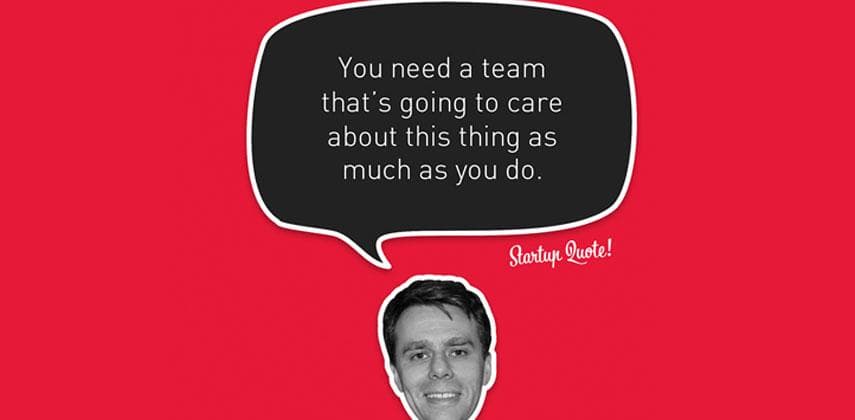
If you’re the team leader you’d ask how do I make people the primers? Now, that’s the tricky one, because you don’t make them, they need to volunteer themselves to do it even though they know all these extra work will not garner them immediate extra income. Fundamental question is, they need to care. Care about your (actually it’s their) product and care about their company enough to take the initiatives. While it’s a chunky separate topic on how you make your team care, if you wanna nurture the primer culture in your team, try recognizing the primer efforts. Start to collect sketches from these primers, sometimes a pat on our shoulder is the most effective reward.