← Career advice
Advice Columnist

Eyes on the whole board

Eyes on the whole board

As a risk consultant and mergers and acquisitions adviser, Rupert Purser is used to private equity firms asking him to supply information about senior management personnel, such as chief executive officers and chief financial officers, in target companies. 

But now, says the head of business consulting and risk for Asia, Middle East and Africa at construction management company Hill International, potential investors are demanding to see a list of the target company’s financial controllers and their background. 

“They supply the data up to the CFO,” says Purser, a Hong Kong Institute of CPAs member, explaining that financial controllers have assumed a much higher profile role in recent years. 

The rising prominence is also driven by the ever-changing and more sophisticated accounting and financial reporting standards, according to Dickson Tsang, CFO of Hong Kong-listed China Financial Leasing Group. “My feeling is the role of financial controller is getting more demanding,” says Tsang, an Institute member. “Especially at smaller-scale listed companies, a financial controller is no longer expected to merely handle accounting issues. They have to be an all-rounder.” 

Those all-round skills include in-depth knowledge of a company’s operations, human resources, sales and marketing departments. “They need to understand what makes people tick and be good communicators about what data they need from a financial perspective, and be able to deal with a crisis,” says Purser. 

Financial controllers have long been regarded as the first line in accounting management. Traditionally, the role was process-driven and governed by routines, such as month-end and statutory reporting. However, a recent report by Robert Walters, a recruitment company, suggests that as the role has grown more challenging and interesting, it has become a more popular goal for accountants.

The Institute is doing its part to help ensure that more members have the all-round skills required. Financial controllership will be the subject of a new Institute course, to be rolled out in 2014.


Source: : HKICPA’s APlus Magazine – October 2013


Hong Kong Institute of CPAs

Hong Kong Institute of CPAs

The Hong Kong Institute of CPAs 香港會計師公會 (HKICPA) is the only statutory licensing body of accountants in Hong Kong responsible for the professional training, development and regulation of the accountancy profession.

Keep reading

Related career advice

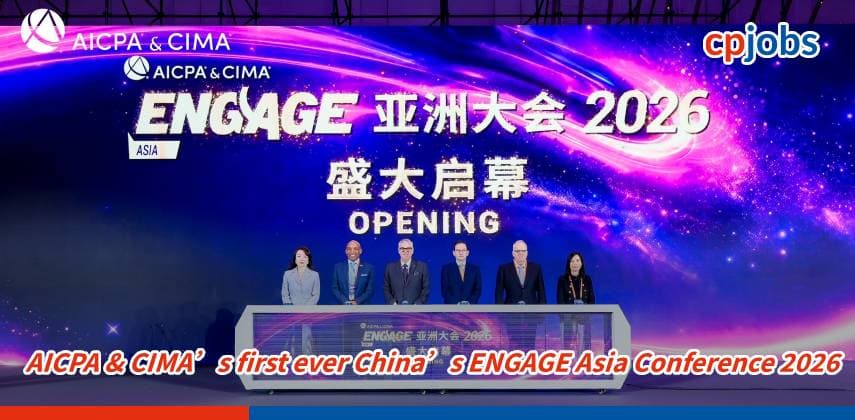
AICPA & CIMA’s first ever China’s ENGAGE Asia Conference 2026 concludes the future of accounting and finance will be defined by trust, talent, and human judgement
Advice Columnist

AICPA & CIMA’s first ever China’s ENGAGE Asia Conference 2026 concludes the future of accounting and finance will be defined by trust, talent, and human judgement

ENGAGE Asia Conference 2026 brought together 600 business, finance and technology leaders from across Asia and around the world to explore the trends, opportunities and challenges shaping the future of organisations and the accounting and finance profession. Under the theme The Next Wave – Transformative Innovation, discussions covered the impact of AI on finance;  business […]

員工開始為自己留後路,企業留才策略也要變
Advice Columnist

員工開始為自己留後路,企業留才策略也要變

過去不少打工仔相信,只要努力工作、表現出色,便能在公司建立穩定的事業。但隨着經濟環境及工作模式不斷轉變,這種想法正逐漸改變。近年職場出現「Career Cushioning」(職涯緩衝)現象,指員工即使沒有即時轉工打算,仍會更新履歷、拓展人脈及留意市場職位,為未來可能出現的工作變動做好準備。 Morgan Philips於上月公布的香港人才趨勢調查顯示,68%受訪專業人士正進行Career Cushioning,當中30%會更新履歷,36%會增加人脈聯繫。這反映員工開始更主動掌握自己的職涯,而非單純依賴現有工作的穩定性。 從等待機會到主動管理職涯 我認為Career Cushioning並不一定代表員工對公司不忠誠,而是職場人士開始意識到,工作穩定性並非完全掌握在自己手中。企業可能因市場環境調整架構,科技亦會改變部分職位的工作內容。與其等到變化發生才尋找出路,不如提早做好準備。 對個人而言,這種做法有其正面意義,例如持續提升專業技能、維持業界人脈,以及了解自身能力在市場上的價值。不過,若員工長期缺乏歸屬感,甚至只把現職視為過渡,企業便需要反思背後原因。 企業留才要從員工需要出發 員工未有離職,不代表對現職完全滿意。除了薪酬待遇,發展空間、管理方式、工作量及企業文化,都會影響員工是否願意長期留下。 企業可以定期了解員工的發展期望,提供內部培訓及轉職機會,並建立有效溝通渠道,讓員工知道自己的意見受到重視。不同人生階段的員工亦有不同需要,福利安排不應只採用單一模式。 個人與企業都要建立風險意識 從財富管理角度看,個人不應過度依賴單一收入來源。除了維持專業競爭力,亦應建立應急儲備,並按自身情況做好長期資產配置,增加面對工作變動的承受能力。 同樣地,企業亦不能只靠薪酬留人,而要讓員工看見長遠發展的可能。Career Cushioning提醒我們,真正的職涯安全感,來自個人有能力應對轉變,而企業亦願意持續投資人才。

【職場 Hacker】SHIFT 框架:如何轉換心態
Advice Columnist

【職場 Hacker】SHIFT 框架:如何轉換心態

以下故事.純屬虛構.如有雷同.實屬巧合 Tom 是一位中層主管,能力很強,但他有一個問題:心態。 「Kenneth,我總覺得公司對我不公平」Tom 說。「我做了這麼多,但升職的總是別人。」 「你的問題不只是能力」我說。「你需要重新看清處境、作出嘗試,並由舊角色走向下一個階段。我想SHIFT 框架可以幫到你。」 什麼是 SHIFT 框架?SHIFT 是 SMI個人競爭力設計系統MAKER 層中的 Reinvention(重塑轉型)模組的實踐框架,用來幫助我們由原來的思考與工作方式,逐步走向新的角色和可能性。 SHIFT 代表五個步驟: Tom 運用SHIFT 的轉換我用 SHIFT 框架幫 Tom 重新面對他的職場困境。 S – Sense(覺察)我告訴 Tom:「你說『公司對我不公平』,這可能是你的感受,但未必是全部事實。」 Tom 開始每天寫下令他不滿的事情。他慢慢發現,很多想法只是自己的解讀;他真正缺乏的,是主動了解公司對下一個管理角色的要求。 H – Hypothesis(假設)我請 Tom 設一個簡單假設:「如果我停止只抱怨,主動了解主管的期望,再每週做一項可見的改善,我是否會得到不同的回應?」 他仍然每天寫下三件值得感恩的事,但不再只為令自己樂觀,而是用來提醒自己:哪些事情仍然可以由自己改變? I – Initiative(行動)我給 Tom 一個挑戰:主動提出一個新專案,並帶領團隊執行。 當他由等待安排,轉為提出方案和承擔責任後,機會就開始出現。 F – Feedback(反饋)Tom 每週主動向主管和同事收集一次回饋:這週我哪一件事做得好?哪一件事最需要改善? 他把回饋寫下來,再選一項在下一週實行。慢慢地,他不再只靠猜測來判斷,而是有了可以調整的方向。 T – Transition(轉場)當 Tom 的行動和回饋累積起來,他開始由一個等待認可的主管,轉變成一個主動創造機會、帶領團隊的人。 他明白,轉型不是一夜之間變成另一個人,而是一步一步離開舊有模式,走進新的角色。 Tom 的轉變一年後,Tom 從受害者心態轉換到主導者心態。 […]