
Workplace English
Dealing with Meetings – Part 2
Dealing with meetings (Part 2) Last week, in part 1, we looked at input and delivery. This week, we will be looking at maintaining good relationships. Maintaining good relationships
Career advice
Curated writing from operators, recruiters, and HR leaders — written for people building real careers in HK.
Dealing with meetings (Part 2) Last week, in part 1, we looked at input and delivery. This week, we will be looking at maintaining good relationships. Maintaining good relationships

Dealing with meetings (Part 1) In today’s demanding workplace, meetings are a regular feature of everyone’s schedule. So how can we ensure that our attendance helps to achieve the aims that have been set? The answer lies in careful preparation, and there are several points to consider.

In part 1 last week, we explored what tone is and why it matters in our formal email correspondence. In this section, we focus on language which will help you to make the right impression on your reader. Play it safe Using formal style, showing respect, is always the right choice in a professional context. Use the salutations below to open your email and greet your reader appropriately. Known reader:

We’ve all been there. You’re writing an email to a client or colleague. Before you hit send, you quickly skim your email for errors. Grammar, spelling and punctuation? Everything looks fine. You click send, confident of a job well done. Later, you receive a reply and something isn’t quite right. Your usually cordial colleague seems oddly distant. Your long-term client’s response to your enquiry is terse. Frankly, it’s all a bit awkward. What could have gone wrong?

In part 1 last week, we looked at what to do before interview day to help you answer questions better (preparation, research, prediction and practice). Today we give you further advice for the interview day itself and how to look back on it after it’s done. On interview day Calm your nerves

You have drafted a cover letter and sent off your resumé. The call or email came through; you’ve been shortlisted! The end is now in sight! But there’s still just one more hurdle to clear: the interview. And it’s in English! No one really enjoys interviews (if you’re one of the rare few, you wouldn’t be reading this article right now…). However, with these top tips in hand, you’ll be able to sail through it more smoothly than you might expect. Before interview day

Last week, we looked at the purpose of a cover letter and how to structure the first two paragraphs, covering an opening statement and a description of relevant studies and work experience. Let’s look at how to finish the draft you wrote last week. 3. A description of the important personal qualities that you would bring to the job. Emphasise why you are the best candidate for the job.

Applying for a job can be a daunting task. There is so much to do — finding the right role to apply for, updating your CV, going to an interview — all of these are important steps that must be done well. Writing a cover letter can therefore sometimes seem less important when faced with other important tasks. But a good covering letter can make the difference between rejection and progressing to an interview. Let’s look at how to tackle this all-important piece of work. What is the purpose of a cover letter?

In part 1 last week, we addressed grammar, spelling and punctuation, as well as a simple but useful technique of reading your text backwards to check for errors. This week, we look at four more examples of proofreading fundamentals. Read your writing aloud
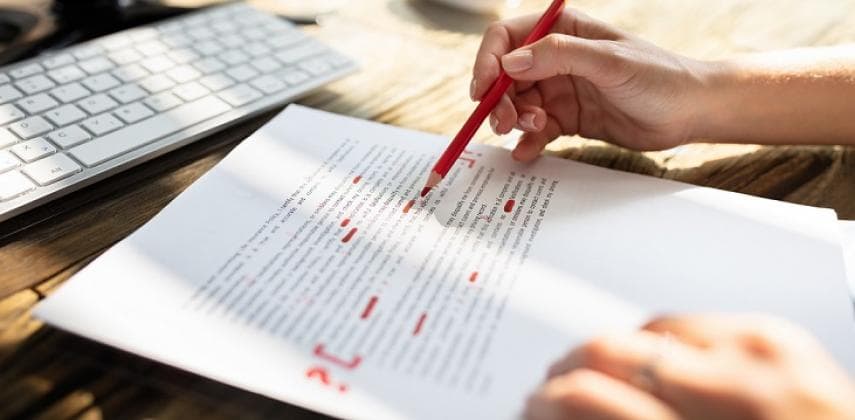
在職場上,無論你是與上司、新客戶或同事以書面溝通,都切記要給對方留下良好印象。假如你在書寫時犯上基本錯誤,不但會讓人覺得你做事馬虎、不留意細節,更可能令對方感到不被尊重。 大家工作忙碌,每天發出的電郵多不勝數。有時越簡單的電郵就越容易出錯,當然這並不是犯錯的藉口 – 在發送電郵前一定要細心檢查。以下是一些校對的要訣及常見錯誤: 文法、拼寫及標點
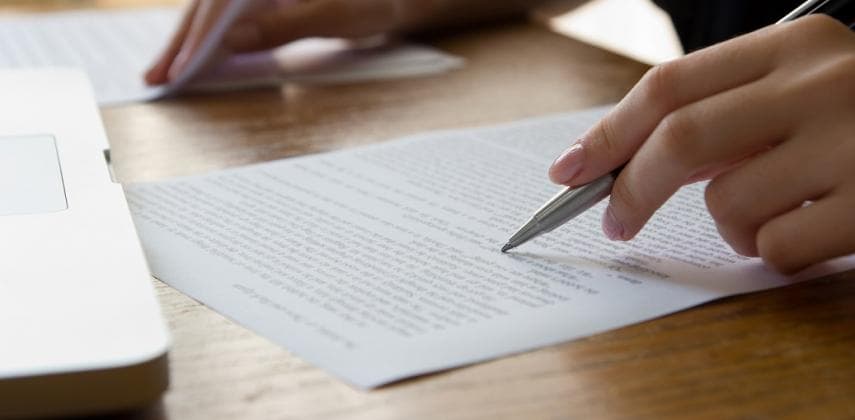
In business, it’s absolutely essential to make a good impression with anyone you’re communicating with when writing – from your boss, to a potential new client, to your fellow colleagues. Making even the most basic error in your writing can send all the wrong messages – you may come across as careless, lacking attention to detail and not showing respect to your reader.
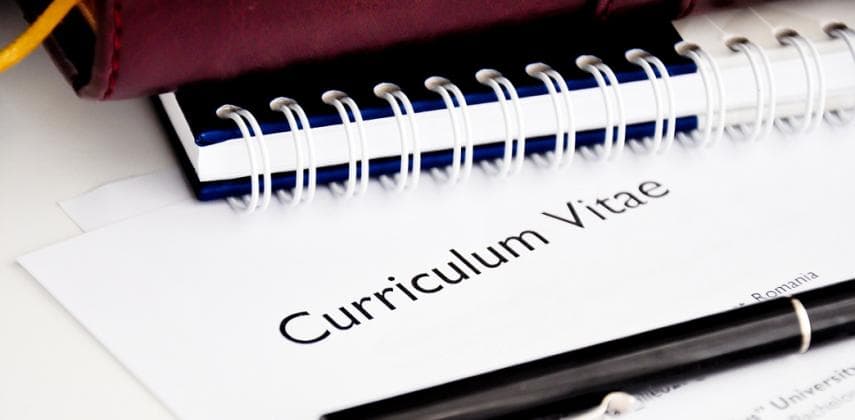
Last week we talked about the importance of simplicity, clarity and accuracy, as well as the basics of how to organise your CV. We also mentioned the importance of clearly displaying your contact details at the top of the first page. How do I shape my CV to the job?