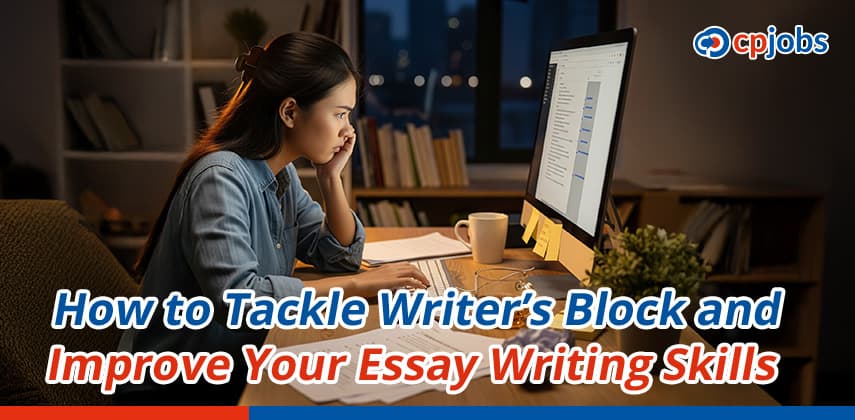
As a student, essay writing can often feel like a daunting task, and it’s not uncommon to experience writer’s block. Whether you’re staring at a blank page, struggling to formulate coherent thoughts, or simply feeling overwhelmed, writer’s block can make essay writing feel impossible. However, there are various strategies you can implement to overcome these obstacles and improve your essay writing skills. In this guide, we will explore practical steps to tackle writer’s block and boost your writing abilities, helping you become more confident and effective in your writing. If you find yourself constantly battling writer’s block and feel that the pressure of academic deadlines is too much, seeking assistance from professional services like MyAssignmentHelp.com’s essay support can offer helpful guidance and reduce the stress, allowing you to focus on refining your writing skills.
Understanding Writer’s Block
Writer’s block is a common condition where a writer experiences a lack of inspiration, motivation, or the inability to produce written content. It can manifest in various forms, such as the inability to start a project, feeling stuck in the middle of a paper, or struggling to organize thoughts clearly. Writer’s block often arises from anxiety, perfectionism, or feeling overwhelmed by the assignment. However, by addressing the root causes and applying practical solutions, you can break through this mental barrier and regain your writing flow.
- Break Down the Assignment
One of the primary reasons students experience writer’s block is the overwhelming nature of essay writing. The task of writing an entire paper may seem insurmountable, especially when you don’t know where to begin. To combat this, break down the assignment into smaller, manageable tasks.
Start by analyzing the essay prompt to understand what is being asked. Identify the key components of the essay—such as the introduction, body paragraphs, and conclusion—and break them into smaller sections. For instance, you can focus on writing just the introduction or a single body paragraph at a time. By focusing on one task at a time, you will feel less overwhelmed and make steady progress.
- Create a Structured Outline
An outline is a valuable tool to help organize your thoughts and create a clear structure for your essay. Before diving into the writing process, take a few minutes to draft an outline. This step can help you stay on track, organize your ideas logically, and prevent the feeling of being lost in the middle of the writing process.
Start with the main points you want to discuss in each section of the essay, then expand on them with supporting details, evidence, or examples. Outlines provide a roadmap for your essay and can make the writing process smoother and more efficient. Knowing exactly what you need to write next can help prevent writer’s block from taking hold.
- Set a Time Limit for Writing
Sometimes, the pressure to write a perfect paper can cause anxiety and paralyze your creativity. If you find yourself stuck in a cycle of overthinking and procrastination, try setting a time limit for your writing sessions. Instead of aiming to finish the entire essay in one sitting, set a realistic goal—such as writing for 30 minutes without distractions.
By focusing on writing for a short, defined period, you reduce the pressure of needing to produce a perfect paper immediately. This approach allows you to build momentum and get your ideas down on paper without the expectation of perfection. After the time limit is up, you can take a break, assess what you’ve written, and decide whether to continue or review your progress later.
- Write Without Editing
Writer’s block often stems from the desire to write perfectly from the start. This perfectionist mindset can halt your progress and lead to frustration. Instead, try writing freely without worrying about grammar, structure, or word choice at first. Focus on getting your ideas on paper, knowing that you can always revise and refine your work later.
Allowing yourself to write without editing in real-time can reduce self-imposed pressure and unlock your creativity. Once you have a rough draft, you can go back and revise it for clarity, coherence, and grammar. It’s easier to improve upon a first draft than to sit paralyzed, trying to get everything perfect from the beginning.
- Use Prompts or Writing Exercises
Sometimes, all you need is a little creative stimulation to overcome writer’s block. Writing prompts or exercises can help you spark new ideas and gain clarity on your topic. If you’re stuck on how to begin or what to write next, consider using prompts related to your essay topic. For example, try writing a list of questions or brainstorming words that relate to the essay subject. This exercise can help unlock ideas and provide the starting point for your essay.
You can also use freewriting exercises, where you set a timer for 5-10 minutes and write continuously without worrying about spelling or grammar. The goal is to get your thoughts flowing and allow new ideas to emerge organically. These exercises can help you overcome the mental barriers causing writer’s block.
- Change Your Writing Environment
Sometimes, writer’s block can result from a distracting or uninspiring environment. If you find yourself stuck in one spot, try changing your writing environment. Whether it’s moving to a different room, going to a library, or even writing outdoors, a change of scenery can refresh your mind and help you focus.
You can also try listening to instrumental music or ambient sounds while writing to create a productive atmosphere. The goal is to remove distractions and create an environment conducive to creative thinking and focus.
- Take Breaks and Stay Active
Writing for long periods without breaks can lead to burnout and exacerbate writer’s block. Taking regular breaks allows your mind to rest and recharge. A short walk, stretching, or engaging in a brief physical activity can boost your energy levels and stimulate creativity.
Allowing yourself time to step away from the essay, even for a few minutes, can give your brain the rest it needs to come up with fresh ideas. When you return to your work, you’ll feel more focused and energized.
- Seek Help When Needed
If you’ve tried all these strategies and are still struggling with writer’s block, it may be helpful to seek assistance. Sometimes, talking through your ideas with someone else can provide clarity and new perspectives. If you’re feeling overwhelmed with the writing process, you may want to consider professional help. Services like MyAssignmentHelp.com offer essay-writing assistance that can help alleviate the stress of writing assignments. You can collaborate with experts who can guide you in organizing your thoughts, structuring your essay, and improving your writing skills.
9. Edit and Revise
Once you’ve completed a rough draft of your essay, it’s time for the editing and revision process. This is where you can refine your paper, ensuring that it’s clear, well-organized, and free from grammatical errors. Take your time to carefully review your work, paying attention to the flow of ideas, sentence structure, and overall coherence.
You can also use grammar-checking tools or ask a peer or teacher to review your essay. Feedback from others can help you identify areas for improvement and enhance the quality of your writing.
Conclusion
Writer’s block is a challenge that nearly every student faces at some point in their academic journey. However, by implementing strategies such as breaking down assignments, using outlines, setting time limits, and writing without editing, you can overcome writer’s block and make the essay writing process more manageable. Additionally, seeking help from professionals when needed can also provide valuable support and guidance.
Remember that writing is a skill that improves with practice. Don’t be discouraged by setbacks, and keep working on refining your writing techniques. Over time, you’ll find that essay writing becomes easier and more enjoyable, allowing you to express your ideas with clarity and confidence.